inquiry
Leave Your Message
0%

In the competitive world of the Custom Ag Glass Factory industry, staying efficient is more important than ever. John Smith, who’s pretty much a go-to expert in agricultural glass-making, always says, “Every little detail really counts when you're trying to keep production smooth and fast.” His words hit home because, honestly, companies are always trying to tighten up their processes.

Investing in the latest tech and training your staff is definitely crucial. But here's the thing—many factories tend to overlook regular maintenance, and that often leads to costly downtimes that could’ve been avoided. Getting into a habit of routine checks can make a huge difference—keeping things running without a hitch.

And let’s not forget about communication. Sometimes, teams forget to keep the lines open, or it feels like only management is speaking. But in reality, workers on the ground often see the issues first—and their insights can really help a lot. Creating a work environment where everyone feels comfortable sharing ideas or spotting problems can totally change how things work. Instead of just top-down instructions, fostering a culture where every worker feels appreciated and listened to actually helps everyone improve. Finding the right balance between new technology and good old human intuition, that’s probably the secret to really thriving in this business.

Custom Ag Glass Factory Best Practices for Optimal Production?

Best Practices in Custom Ag Glass Manufacturing

In the realm of custom ag glass manufacturing, attention to detail is critical. A well-structured production process starts with choosing the right raw materials. High-quality glass ensures durability and clarity. Without this, even the best designs fall short. Each step must be meticulously monitored. Quality control should be a constant focus, not an afterthought.

Collaboration within the team enhances efficiency. Open communication helps identify issues promptly. Workers need to feel empowered to voice concerns. Sometimes, a lack of feedback can lead to preventable errors. Additionally, embracing new technologies can streamline processes. Automation might increase production speed, but it requires careful implementation.

Reflecting on production outcomes is vital. Regularly assess what worked and what didn’t. Revisiting unsuccessful techniques can inspire innovation. A custom ag glass factory thrives when its team learns from past experiences. Investing in training can also foster a culture of continuous improvement. Balancing efficiency with quality may prove challenging, but it is essential for growth.

Understanding the Importance of Quality Control in Ag Glass Production

Quality control is crucial in agricultural glass production. It directly affects crop yield and plant health. A report by the Agricultural Research Service found that effective quality control can boost crop productivity by 20% to 30%. This is significant for producers and consumers alike, emphasizing the need for rigorous standards in manufacturing.

Implementing quality control requires attention to detail. Every stage of production should be monitored closely. For instance, glass thickness should meet prescribed standards to ensure proper light transmission. A slight deviation can lead to inadequate heating or light filtering. Many factories fail to address these minor flaws, leading to bigger issues down the line.

Tips: Regularly train your staff on quality standards. Empower them to identify issues early. Use technology for precision measuring. Conduct routine audits to maintain consistency in production processes. Quality control isn't just about inspection; it's about cultivating a culture of excellence within the factory. Every employee should feel responsible for the product's quality.

Ultimately, the journey to optimal production is complex. Mistakes can happen. Reflecting on past errors can lead to improvements. An analysis of defects might uncover hidden patterns. Addressing these insights can enhance the overall production process. Quality control is not a destination but an ongoing commitment.

Design Considerations for Custom Glass Solutions in Agriculture

Designing custom glass solutions for agriculture involves several key considerations to enhance production efficiency. For instance, greenhouse glass should be optimized for light transmission. According to research, even a slight increase in light quality can boost plant yield by up to 20%. This demonstrates the critical role of material choice in glass design.

Thermal insulation is another vital factor. Effective insulation reduces energy costs significantly. A study indicated that well-designed glass structures could lower heating expenses by more than 30% during colder months. This presents both an opportunity and a challenge. Balancing insulation with light diffusion is often tricky. Overly reflective glass may trap light but can lead to overheating.

Custom shapes can also influence airflow and humidity levels. Improperly designed glass configurations may lead to stagnant air pockets. These can increase the risk of disease among plants. Additionally, high quality and precise fitting of glass panels are necessary to minimize cracks and leaks. A small oversight in measurement could lead to significant production delays. Such pitfalls remind us of the importance of meticulous planning and execution in custom glass manufacturing.

Custom Ag Glass Factory Best Practices for Optimal Production

Dimension Best Practice Description Impact on Production
Material Selection Use High-Quality Glass Opt for tempered and UV-resistant glass to increase longevity. Reduces replacement costs and enhances crop protection.
Design Optimization Incorporate Multi-Faceted Shapes Designing glass solutions that maximize sunlight exposure. Improves growth rates of plants inside the structure.
Environmental Control Integrate Automated Ventilation Automate opening and closing vents based on temperature and humidity. Maintains optimal growing conditions, increasing yield quality.
Installation Techniques Use Silicone Sealants Sealing edges with high-performance silicone to prevent leaks. Increases energy efficiency and protects crops from weather extremes.
Maintenance Regular Inspections and Cleaning Schedule periodic cleaning and check for damages in glass. Ensures maximum light transmission and extends the lifespan of the glass.

Efficient Production Techniques for Custom Ag Glass

Efficient production techniques are vital in the custom Ag glass industry. Streamlining processes can significantly reduce waste and enhance productivity. For instance, investing in automation technology can help achieve consistent results. This means producing high-quality glass with precision, but automation alone isn't enough. Regular maintenance is necessary to avoid unexpected downtimes.

Employee training also plays a crucial role. Workers must understand the nuances of glass production. Detailed training on handling and processing can prevent errors. However, there are always challenges. Workers may not be able to foresee every potential issue. Creating a culture of open communication can help in identifying problems early.

Moreover, using innovative materials like Transparent AF anti fingerprint coated glass can improve both functionality and aesthetics. Yet, perfecting these materials requires experimentation. There will be setbacks along the way. Learning from each phase leads to better outcomes in the long run. By focusing on these details, a custom Ag glass factory can enhance overall production efficiency.

Integrating Technology in the Custom Ag Glass Manufacturing Process

Custom Ag Glass Factory Best Practices for Optimal Production?

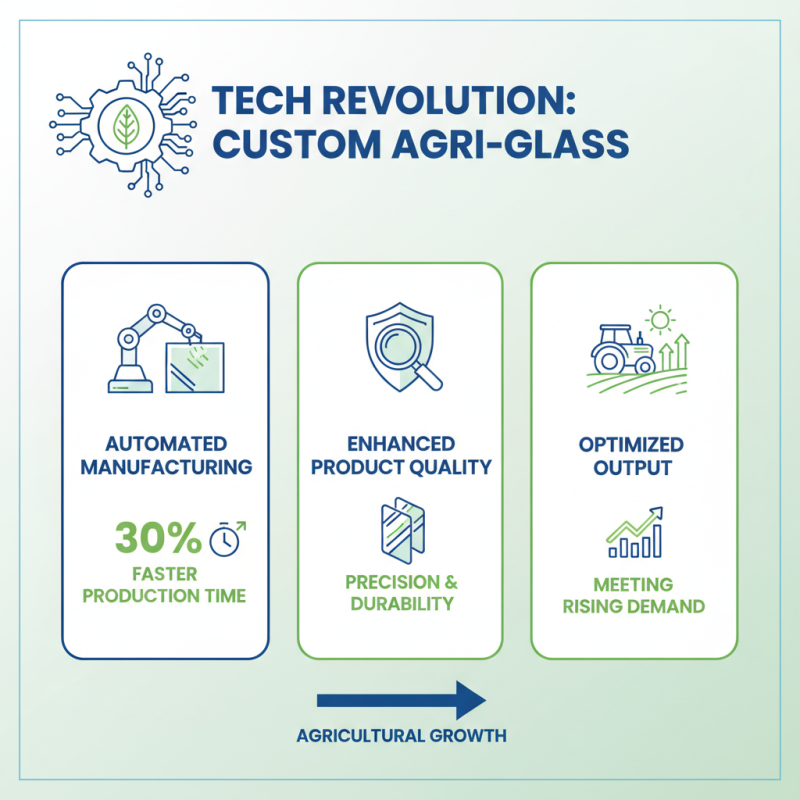
The integration of technology in custom agricultural glass manufacturing is transforming the industry. Advanced techniques boost efficiency and enhance product quality. For instance, automated processes can reduce production time by up to 30%. This shift is driven by the need for optimized output to meet rising agricultural demands.

Data from the latest industry reports reveal that over 65% of manufacturers are adopting smart technologies. These include IoT sensors, which monitor environmental conditions in real-time. Such innovations allow for precise adjustments in the production process. They help minimize waste and improve energy consumption, saving up to 20% in costs.

However, not all manufacturers find seamless tech integration straightforward. Challenges arise, particularly with training staff. Resistance to change can slow down the adoption of these technologies. Evaluating current systems may reveal gaps in effectiveness. Generating a culture of continuous improvement remains a work in progress for many. As these technologies evolve, reflecting and identifying areas for growth will be essential.

Sustainability Practices in Custom Ag Glass Factories

Sustainability is essential in custom ag glass factories. Many factories are adopting renewable energy sources. Solar panels now line the rooftops of production facilities. This shift reduces carbon footprints and energy costs simultaneously. However, some facilities struggle to fully implement these solutions. A lack of funding can stall progress.

Water conservation is another vital practice. Custom ag glass production requires significant water resources. Factories are now recycling water during the manufacturing process. This not only saves water but also lowers operational costs. Yet, some factories still overlook basic conservation methods. Smaller plants may lack the infrastructure needed for efficient water use.

In the Fto Glass Factory, waste management plays a critical role. Factories generate a variety of by-products during glass production. A focus on recycling materials can minimize waste sent to landfills. Some facilities are investing in better waste sorting systems. These efforts are commendable, but improvements are still needed. Not all factories prioritize waste reduction, creating opportunities for growth.

Training and Workforce Development for Optimal Production Efficiency

Custom Ag Glass Factory Best Practices for Optimal Production?

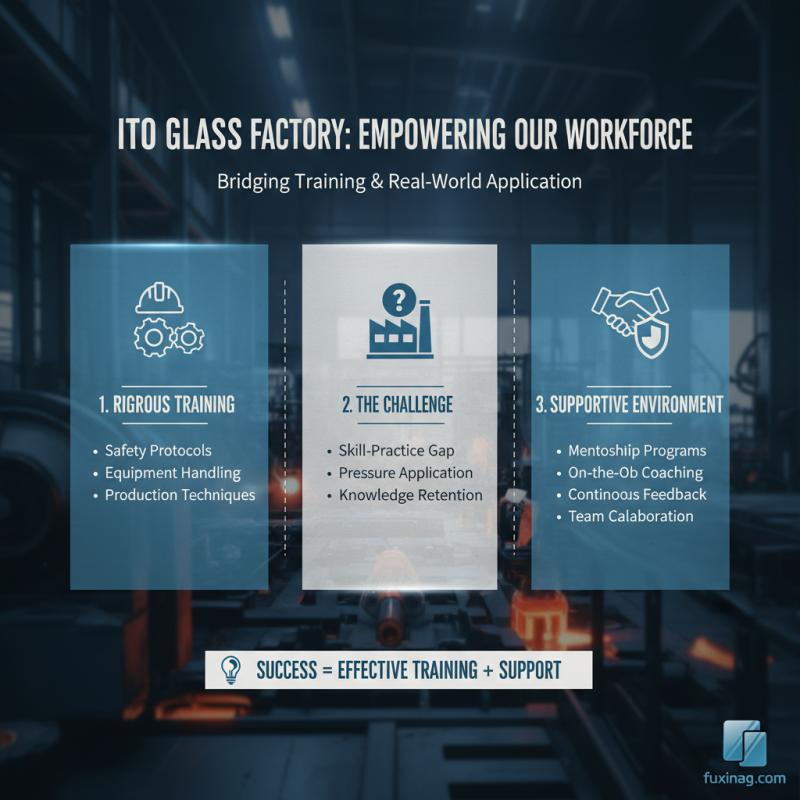
Effective training and workforce development are crucial for the success of any glass production facility. At the Ito Glass Factory, employees undergo rigorous training programs. These programs cover various aspects, including safety protocols, equipment handling, and production techniques. However, there are often gaps between training and real-world application. Workers may struggle to implement learned skills under pressure. Creating a supportive environment can help bridge this gap.

Mentorship plays a vital role in workforce development. Experienced employees at the Ito Glass Factory can guide newcomers. This interaction promotes skill retention and speed in production. However, the challenge lies in balancing productivity with quality training. Sometimes, deadlines overshadow the importance of ongoing development. Investing time in training can lead to long-term benefits.

Regular assessments of training effectiveness are also essential. Feedback from employees can reveal areas for improvement. The Ito Glass Factory could benefit from anonymous surveys that highlight training weaknesses. Addressing these issues can enhance overall efficiency and morale. Continuous improvement in training initiatives will ultimately lead to better production outcomes.

Enhancing Visual Experience: The Benefits of Anti-Glare Spray Coating on Tempered Glass for Kiosks and Displays

In today’s fast-paced digital landscape, creating an appealing and functional visual experience is paramount for kiosks and interactive displays. The introduction of an anti-glare spray coating on tempered glass emerges as a transformative solution, ensuring that visibility remains high even in challenging bright lighting conditions. This coating enhances the overall usability of self-service kiosk LCD displays and interactive touchscreens, making it easier for users to engage with the content presented.

The anti-glare spray coating is applied to thermally tempered soda lime glass, which not only provides superior durability and safety but also significant scratch resistance. Available in various thicknesses ranging from 0.3mm to 2mm, this product caters to different application needs, whether it be for meeting room whiteboards or other interactive surfaces. The combination of a smooth touch experience and effective anti-reflective properties makes it an ideal choice for environments where clarity and user interaction are crucial. By minimizing reflections and enhancing visual comfort, this innovative coating contributes significantly to a seamless user experience.

FAQS

: What are the main ingredients in these products?

: Natural ingredients are commonly used. Some include essential oils and herbal extracts.

Are the products suitable for sensitive skin?

Many are designed for sensitive skin. However, it’s wise to conduct a patch test first.

How should I store these products?

Store in a cool, dry place. Avoid direct sunlight to maintain their effectiveness.

What is the shelf life of the products?

Most last about 12 months after opening. Check labels for specific expiration dates.

Can these products cause allergies?

Some individuals may experience reactions. It's important to read all ingredient lists carefully.

How often should I use these products?

Usage varies depending on the product type. Follow the instructions for best results.

Are there any side effects?

Minor irritations can occur. Discontinue use if adverse reactions arise.

Can these products be used during pregnancy?

Consult a healthcare provider before use during pregnancy for safety.

Is there any cruelty-free certification?

Many products claim to be cruelty-free. Always look for official certifications when shopping.

What if I’m not satisfied with the results?

Keep track of how your skin responds. Some users might need more time to see changes.

Conclusion

The article titled "Custom Ag Glass Factory Best Practices for Optimal Production" outlines essential strategies for enhancing production efficiency in agricultural glass manufacturing. Key practices include implementing rigorous quality control measures to ensure the end products meet high standards, as well as carefully considering design elements that cater specifically to agricultural applications. Additionally, the use of efficient production techniques and the integration of advanced technology can significantly streamline the manufacturing process.

Furthermore, the article highlights the importance of sustainability within Custom Ag Glass Factories, emphasizing eco-friendly practices that not only reduce environmental impact but also resonate with the growing demand for sustainable products. Finally, investing in workforce development and training is crucial for optimizing production efficiency, ensuring that staff are well-equipped with the necessary skills to adapt to new technologies and methodologies in the manufacturing process.

Isabella

Isabella

Isabella is a dedicated marketing professional at Dongguan Fuxin Glass Technology Co., Ltd., a company that has been a leader in the glass industry for over a decade. With extensive knowledge of the company's innovative products, including ag glass, ar glass, af glass, and am glass, she plays a......
Previous Innovative Uses of Led Glass in Modern Architecture and Design